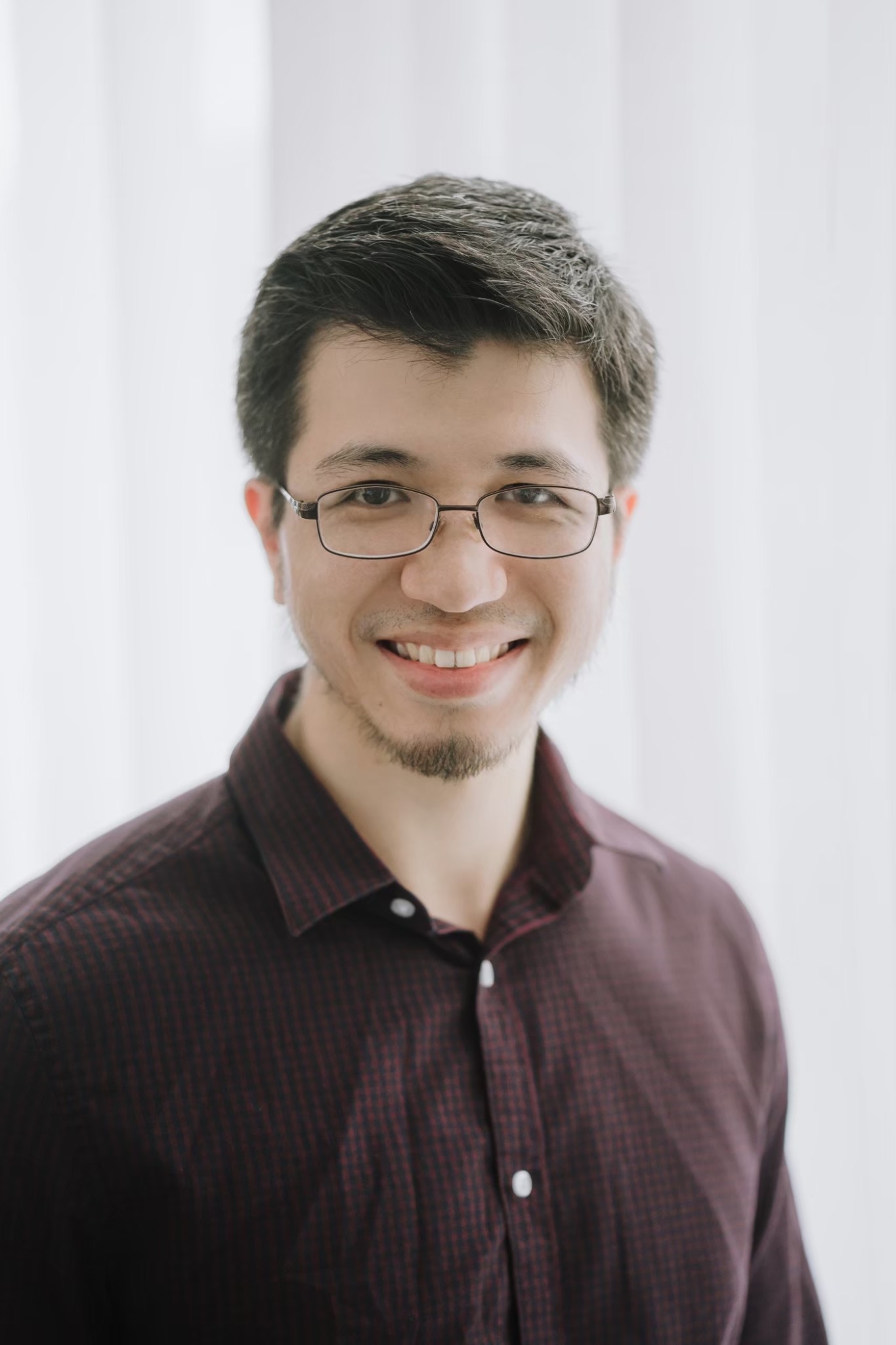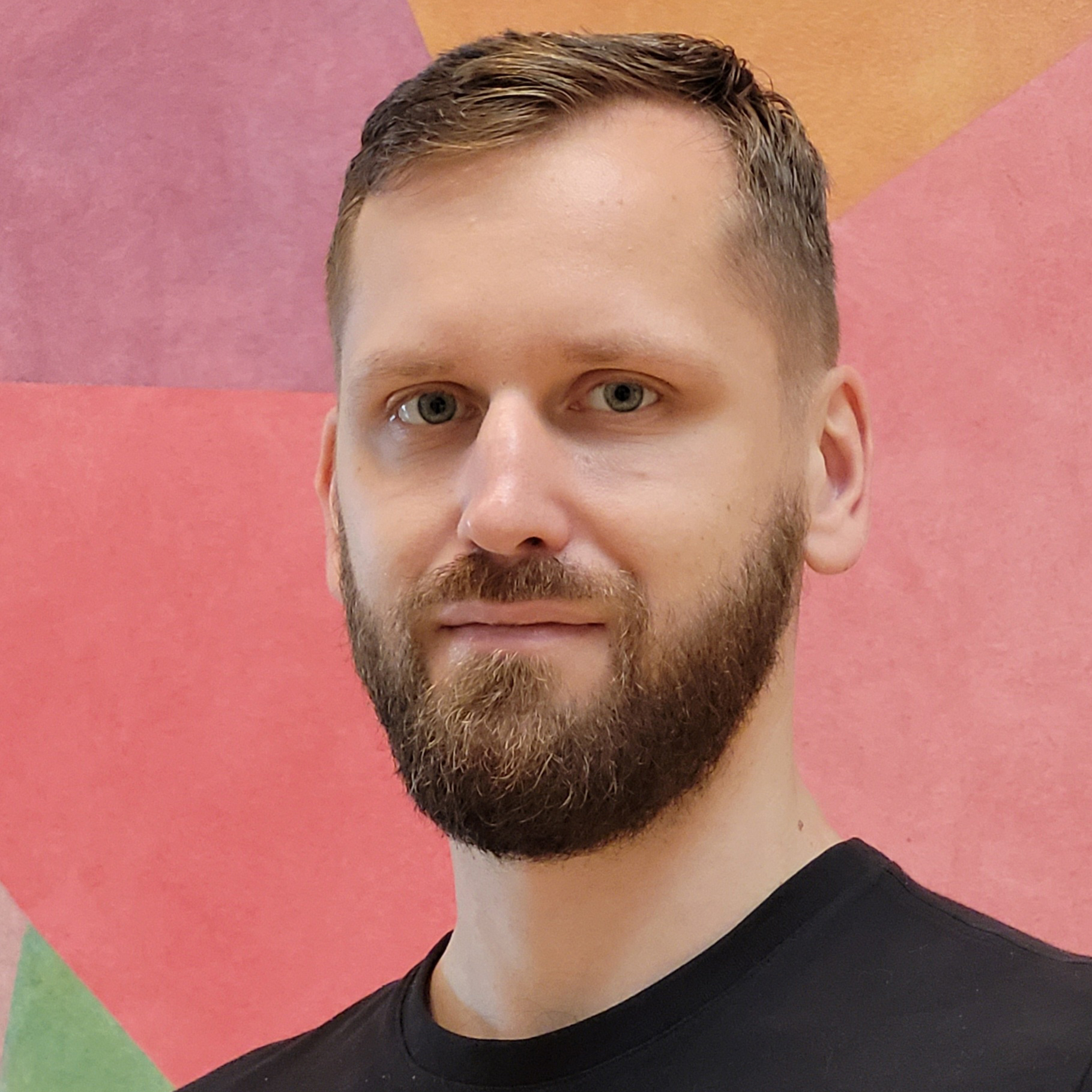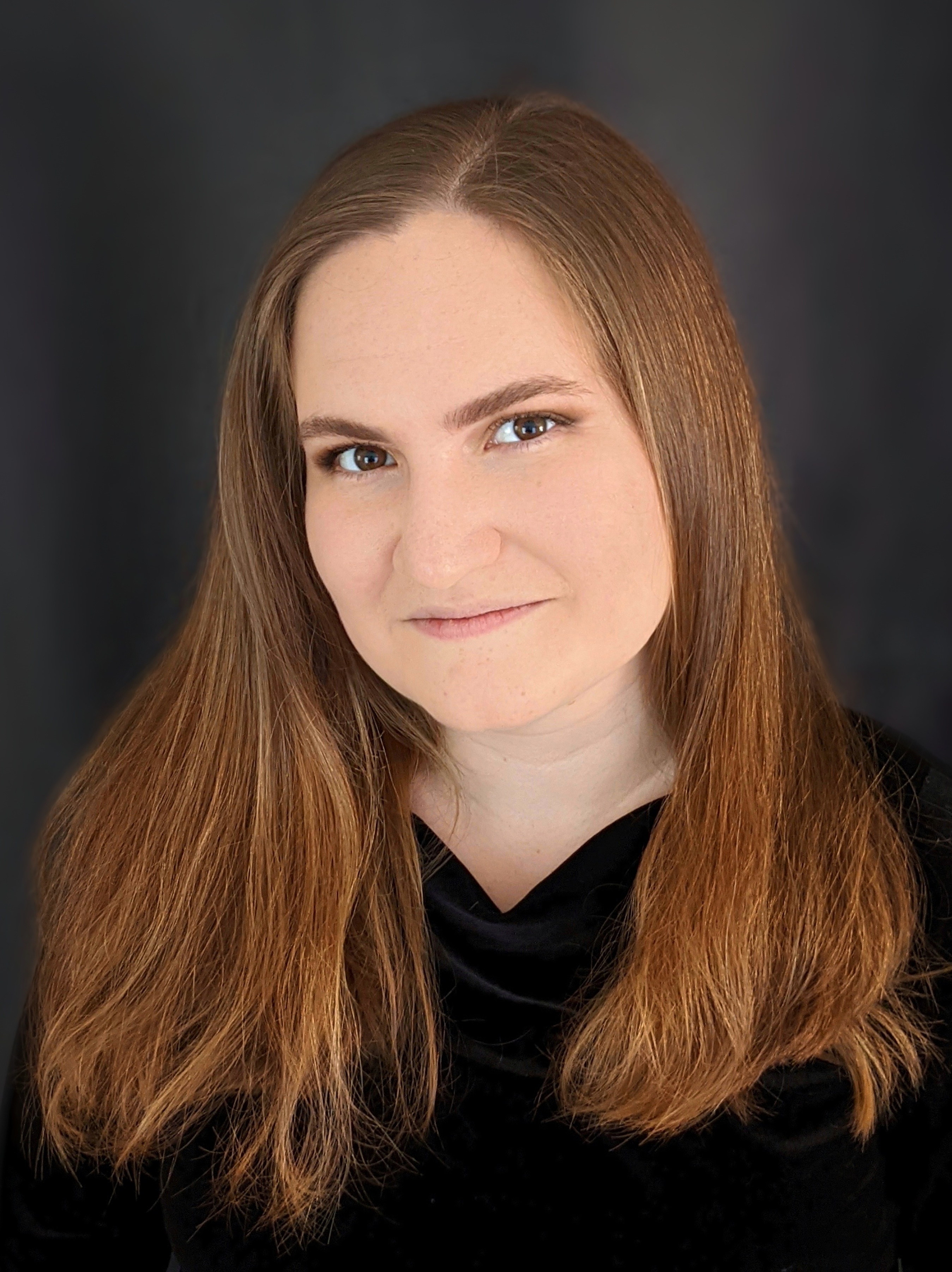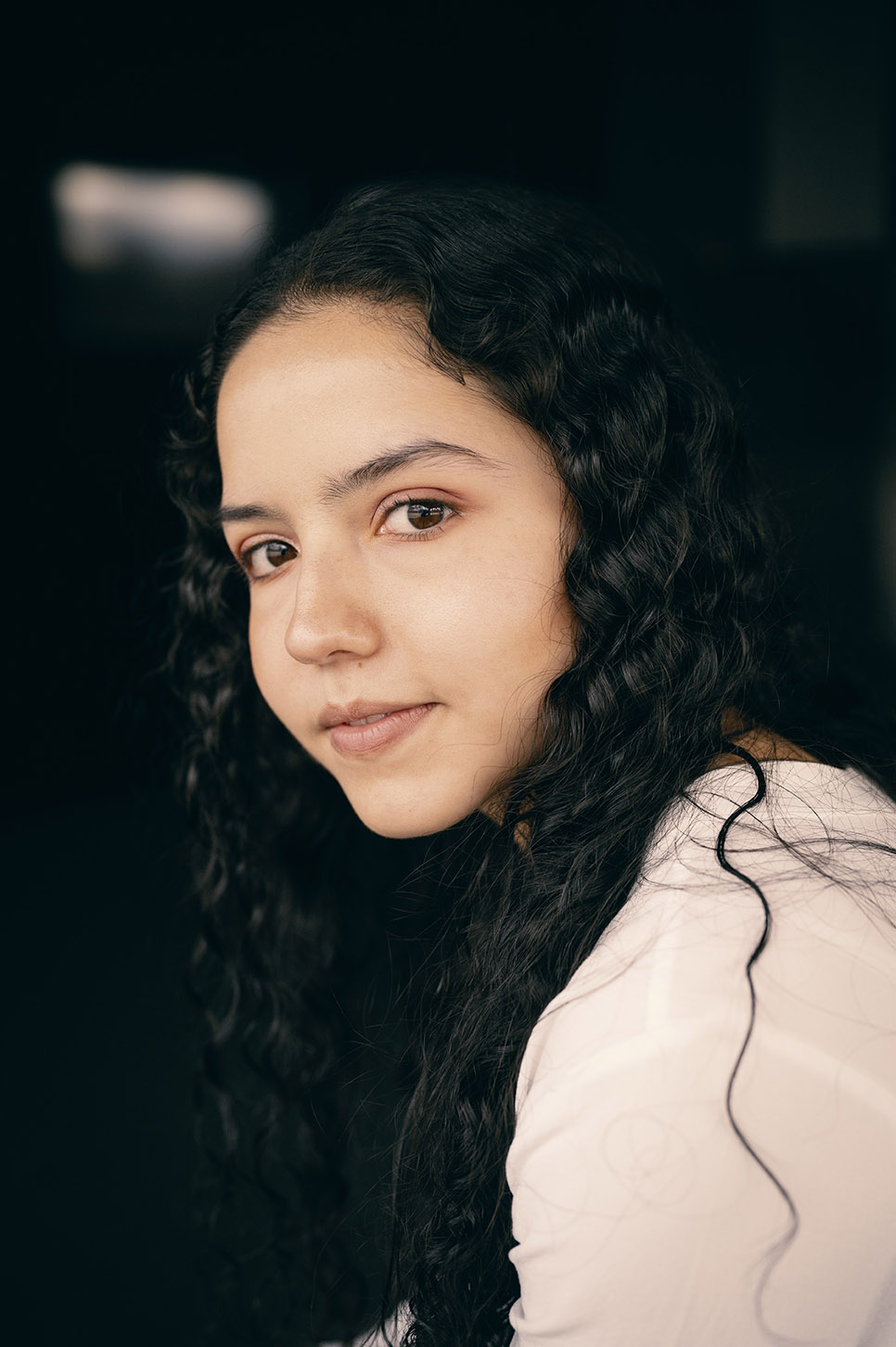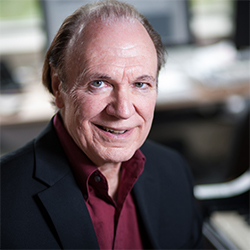
Don Freund is an internationally recognized composer with works ranging from solo, chamber, and orchestral music to pieces involving live performances with electronics, music for dance, and large theatre works. Freund is Professor of Composition at IU’s Jacobs School of Music.

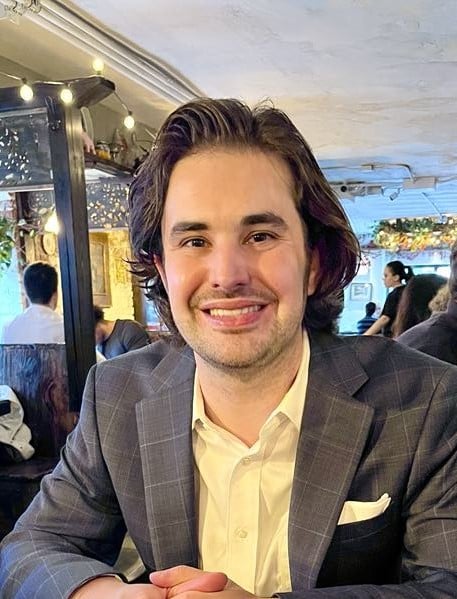
Gabriel Jenks is associate professor of music in composition at the Indiana University Jacobs School of Music.
Hailed by The New York Times as “striking and resourceful … handsomely brooding,” the music of Jenks (formerly known as Han Lash) has been performed at Carnegie Hall, Walt Disney Concert Hall in LA, Lincoln Center, Times Center in Manhattan, Chicago Art Institute, Tanglewood Music Center, Harvard University, Aspen Music Festival and School, Chelsea Art Museum, and on the American Opera Project’s stage in New York City. Commissions include The Fromm Foundation, the Boston Symphony Orchestra, Saint Paul Chamber Orchestra, Carnegie Hall, Chamber Music Northwest, the McKim Fund in the Library of Congress, Cabrillo Festival of Contemporary Music, American Composers Orchestra, Columbia University’s Miller Theatre, The Naumburg Foundation, the Los Angeles Chamber Orchestra, the Arditti Quartet, the Great Lakes Chamber Music Festival, the Colorado Music Festival, and the Aspen Music Festival and School, among many others.
Jenks began studying music and dance at an early age and was a serious performer and composer by his early teens. He was accepted to the prestigious Eastman School of Music at the age of 15 and enrolled in the bachelor's program at age 16. After studies in harp and composition at Eastman, Jenks received an Artist Diploma in harp from the Cleveland Institute of Music, a Ph.D. in composition from Harvard University, and an Artist Diploma in composition from Yale University.
Jenks has received numerous honors and prizes, including the ASCAP Morton Gould Young Composer Award, a Charles Ives Scholarship (2011) and Fellowship (2016) from the American Academy of Arts and Letters, a Fromm Foundation Commission, a Chamber Music America Classical Commissioning Grant, a fellowship from Yaddo Artist Colony, the Naumburg Prize in Composition, the Barnard Rogers Prize in Composition, the Bernard and Rose Sernoffsky Prize in Composition, and numerous academic awards. Jenks’s orchestral work Furthermore was selected by the American Composers Orchestra for the 2010 Underwood New Music Readings. Jenks’s chamber opera, Blood Rose, was presented by New York City Opera’s VOX in the spring of 2011.
The New York Times music critic Steve Smith praised Jenks’s work for the JACK Quartet, Frayed: “Jenks’s compact sequence of pale brush strokes, ghostly keening and punchy outbursts was striking and resourceful; you hoped to hear it again …” Esteemed music critic Bruce Hodges lauded Jenks’s piece Stalk for solo harp as being “appealing…florid, and introspective.”
In addition to performances in the U.S., Jenks’s music is also well known internationally. In April of 2008, Jenks’s string quartet Four Still was performed in Kyiv in Ukraine’s largest international new music festival, “Premieres of the Season,” curated by Carson Cooman. In the summer of 2010, Jenks’s piece Unclose was premiered by members of Eighth Blackbird at the MusicX festival in Blonay, Switzerland. In 2016, the chamber orchestra work This Ease saw its German premiere and was selected as “audience favorite” in performances by the Philharmonisches Staatsorchester Mainz, conducted by Hermann Bäumer.
Notable premieres include the multi-movement orchestral work The Voynich Symphony by the New Haven Symphony, Form and Postlude for Chamber Music Northwest, a new Requiem for the Yale Choral Artists, How to Remember Seeds and two additional string quartets for The Calidore String Quartet, Three Shades Without Angles, for flute, viola and harp, by the Boston Symphony Chamber Players, Two Movements for violin and piano, commissioned by the Library of Congress for Ensemble Intercontemporain, and a chamber opera, Beowulf, for Guerilla Opera, as well as several new orchestral works: Chaconnes, for the New York Philharmonic's Biennial, Eating Flowers, for the Cabrillo Festival of Contemporary Music, Nymphs, for the Alabama Symphony Orchestra, and This Ease, for the Los Angeles Chamber Orchestra, as well as two concerti for harp premiered by the American Composers Orchestra (Concerto No. 1 for Harp and Chamber Orchestra) and the Colorado Music Festival (Concerto No. 2 for Harp and Orchestra), both with Jenks as soloist.
Other premieres include God Music Bug Music (2011) with the Minnesota Orchestra, the monodrama Stoned Prince (2013) by loadbang, Subtilior Lamento (2012) with the Da Capo Chamber Players at Carnegie Hall, and Glockenliebe (2012), for three glockenspiels, with Talujon Percussion. Jenks’s 2011 orchestral work, Hush, was featured on the Los Angeles Philharmonic's 2013 Brooklyn Festival. In 2016, Jenks was honored with a Composer Portrait Concert at Columbia University’s Miller Theatre, which included newly commissioned works for pianist Lisa Moore (Six Etudes and a Dream) and loadbang (Music for Eight Lungs). Jenks’s Piano Concerto No. 1 “In Pursuit of Flying” was premiered by Jeremy Denk and the Saint Paul Chamber Orchestra; the Atlantic Classical Orchestra debuted Facets of Motion for orchestra, and Music for Nine, Ringing was performed at the Music Academy of the West School and Festival. Paul Appleby and Natalia Katyukova premiered Songs of Imagined Love, a song cycle commissioned by Carnegie Hall, in 2018, and in 2019, Jenks's chamber opera, Desire, premiered at Miller Theatre to great acclaim. Jenks's Double Concerto for piano and harp was premiered by the Naples Philharmonic, and the first movement of Forestallings, a musical response to Beethoven’s Symphony No. 2 in D Major, was premiered by the Indianapolis Symphony Orchestra in January 2020, followed by a premiere of the second movement at the Colorado Music Festival the following year. The Harvard-Radcliffe Orchestra premiered the third movement of Forestallings in February 2022 and the Philharmonisches Staatsorchester Mainz, under the baton of Hermann Bäumer, premiered the fourth movement and complete version of Forestallings in April 2023 as part of a portrait festival featuring Jenks’s music. His double harp concerto, The Peril of Dreams was premiered by the Seattle Symphony in November 2021, with the composer as one of the featured soloists. In May 2025, the Boston Modern Orchestra Project (BMOP), led by Gil Rose, premiered Gabriel Jenks’s concerto for orchestra, Zero Turning Radius, at Jordan Hall.
Jenks’s music is published exclusively by Schott Music Corporation, New York.